
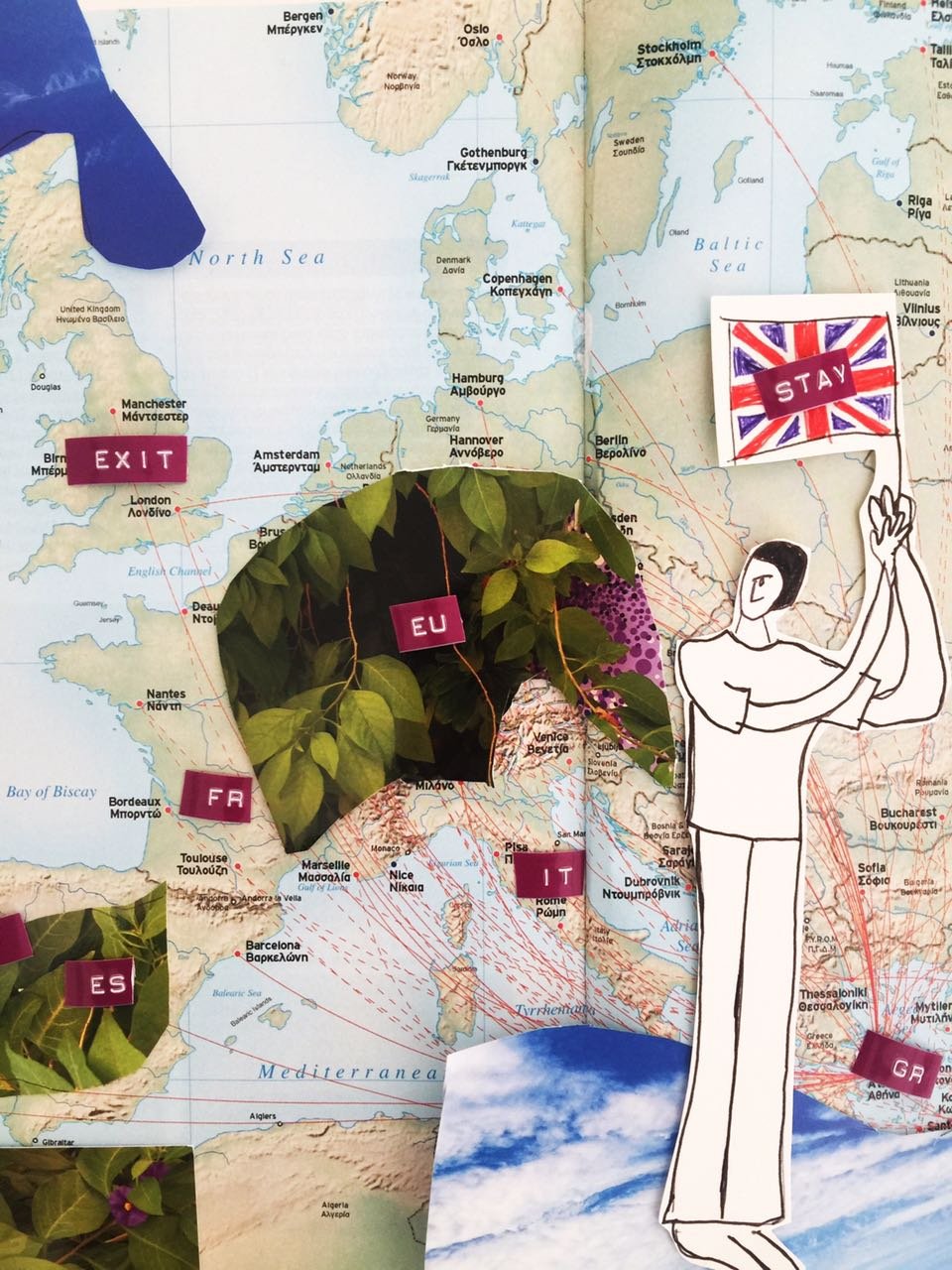
Brexit and the View from the South
How do Britain’s divorce proceedings look from a Mediterranean standpoint?
These are strange and confusing times for the many European citizens and European nations that know or admire the United Kingdom. Many of us are still at a loss to understand what the country hopes to gain by leaving the European Union, or how the UK intends to go it alone. But the talks about the terms under which Britain will leave the EU are well under way, and I believe that we should consider whether there is any useful advice or insights we can provide from the Mediterranean perspective. Are there practical ways in which the countries of our region can help Britain once Brexit takes place?
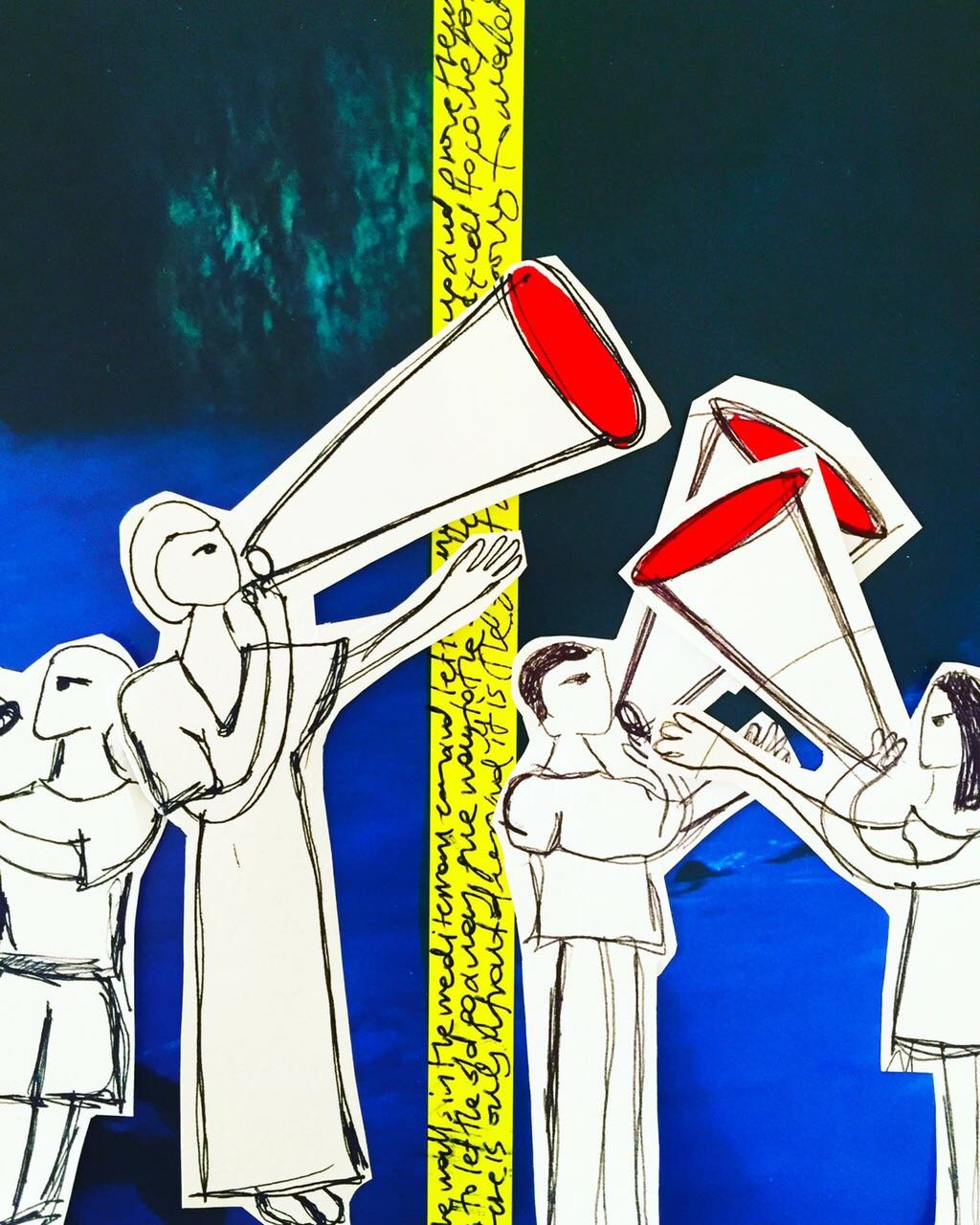
Give Youth A Chance
Why the young people of the Med are the best hope for the region – and for Europe.
In a recent essay for the journal International Affairs, produced by the London-based think-tank Chatham House, political analyst Claire Spencer quotes The Mediterranean in Politics, a book written by historian Elizabeth Monroe on the eve of the Second World War. Back then, Monroe said of the Med that ‘its significance has been that of passage, or a megaphone, or a knuckle-duster. It has always been a route to somewhere, or the string which when pulled, reveals that its other end is in India, Vladivostok… or Mosul.’ That view, though it was expressed a lifetime ago, still rings true. The Mediterranean continues to be a conduit for migrants from far and wide; it is a region that dramatises and magnifies fractious debates within Europe; and it is a locus of conflict and upheaval – the ‘knuckle-duster’ of Monroe’s lively string of metaphors.
Navigating the Middle Sea
What is the Mediterranean Sea? What part does it play in the lives and the livelihoods of the 500 million people who live around its foaming edge? We tend to see the Med – in fact, any body of water – as a blank blue hole that fills the spaces between landmasses. Dry land is a presence, full of topographical interest and teeming with human activity. The sea, on the other hand, can seem a blank and featureless thing. Open water is not our natural habitat, and we venture out there at our peril, as – tragically – many thousands of Syrian and Libyan refugees can attest.